
Wednesday, October 28, 2026 / by Bell Home Team
Is Your Furnace or Boiler Ready for Winter? Signs Your Heating System Needs Attention
Fall in Central New York brings colorful foliage, crisp mornings, and the excitement of the approaching holiday season. But it also means one thing every homeowner should be preparing for: another long, cold winter!
Whether your home is heated by a forced-air furnace, a hot-water boiler, or an older steam radiator system, your heating equipment is about to become one of the hardest-working parts of your home.
And while it's easy to assume everything is fine as long as the heat turns on, that isn't always the case.
A heating system that's struggling to operate efficiently can lead to uncomfortable rooms, higher utility bills, unnecessary wear on equipment, and potentially costly breakdowns when you need heat the most.
The good news? A little preventative maintenance now can go a long way toward keeping your home comfortable, safe, and energy-efficient all winter long.
Furnace vs. Boiler: What's the Difference?
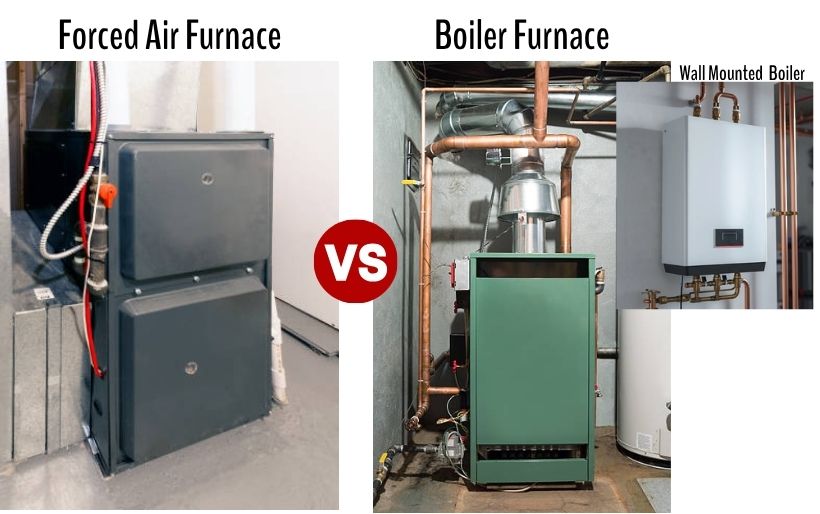
Central New York has a wonderful variety of homes, from historic Syracuse properties to newer construction throughout the surrounding suburbs. And depending on your home's age and design, your heating system may look quite different from your neighbor's.
Furnaces heat air and distribute it throughout the home using ductwork and vents. They typically run in cycles, turning on when the thermostat calls for heat and shutting off once the desired temperature is reached.
Boilers heat water, or produce steam, to distribute warmth through radiators, baseboard heaters, or radiant floor systems. Many older homes in Central New York use boiler systems, although they're also found in newer properties.
Both systems can provide dependable heating for many years, but they require different types of maintenance.
Understanding which system you have is the first step toward keeping it in good working condition.
5 Warning Signs Your Heating System May Be Working Too Hard
1. Your Heating System Runs Constantly but Your Home Still Feels Cold
During especially cold weather, it's normal for a heating system to run more frequently.
However, if your furnace or boiler seems to run almost nonstop and still struggles to maintain the thermostat setting, something may be wrong.
Possible causes include dirty furnace filters, airflow restrictions, thermostat problems, boiler circulation issues, or equipment that isn't operating properly.
Heat loss through poorly insulated walls, drafty windows, and unsealed doors can also make your system work harder than necessary.
What to do: Start by checking your thermostat settings and looking for obvious drafts or blocked heating vents. If the problem continues, schedule a professional inspection.
2. Your Energy Bills Are Climbing Without an Obvious Explanation
Winter heating bills naturally increase as outdoor temperatures drop. But a noticeable jump in energy consumption compared with similar weather conditions in previous years may indicate that your system is losing efficiency.
A furnace with restricted airflow or a boiler that isn't operating efficiently may use more energy to deliver the same level of comfort.
However, remember that utility rates, unusually cold weather, and changes in household habits can also affect your bill.
What to do: Compare your energy usage, not just the dollar amount, with previous heating seasons. If your consumption has increased significantly, an HVAC professional can help determine whether your heating system is contributing to the problem.
3. You're Hearing Unusual Noises
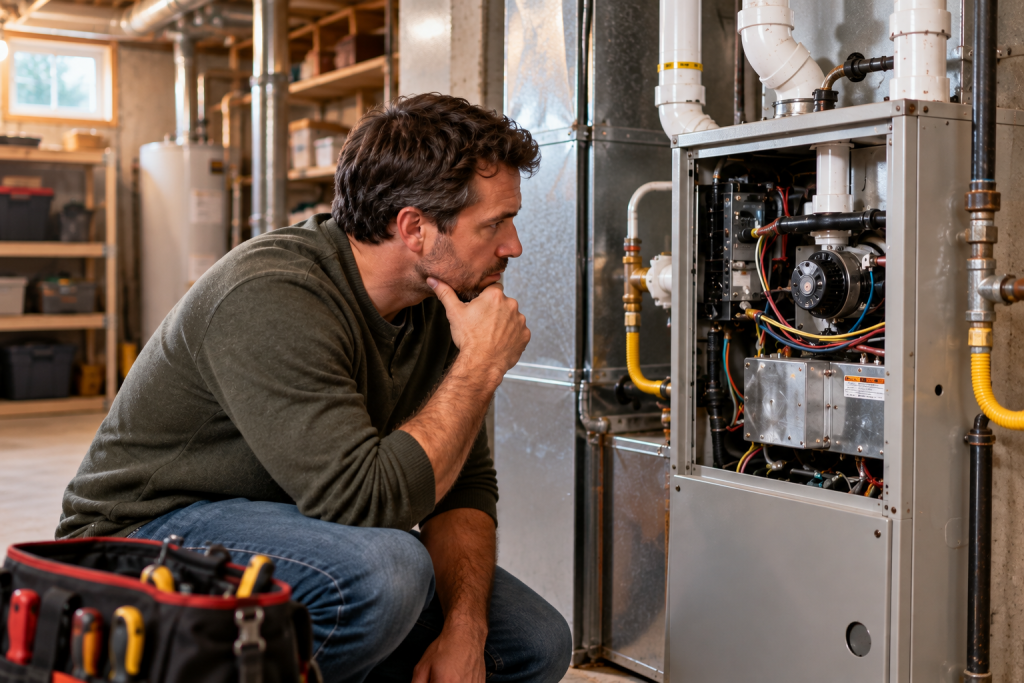
Every heating system makes some noise during normal operation, but new or unusually loud sounds deserve attention.
For furnaces, banging, squealing, rattling, or grinding may indicate loose components, blower problems, or other mechanical issues.
Boilers can produce knocking, gurgling, or banging sounds when there are problems involving trapped air, water circulation, or steam distribution.
Not every unusual sound indicates a serious problem, but ignoring it could allow a minor issue to become more expensive.
What to do: Pay attention to when the noise occurs and describe it to your heating technician. Avoid attempting repairs to internal components yourself.
4. Some Rooms Are Warm While Others Stay Chilly
Does your living room feel perfectly comfortable while an upstairs bedroom remains freezing?
Uneven heating is a common frustration, particularly in older homes.
For forced-air systems, the problem could involve blocked registers, ductwork issues, or insufficient airflow.
For boiler systems, cold radiators or baseboards may point to trapped air, circulation problems, or other distribution issues.
Of course, insulation, window condition, and room layout can also contribute to uneven temperatures.
What to do: Make sure furniture and rugs aren't blocking vents, radiators, or baseboard heaters. If certain rooms consistently fail to warm up, have a professional evaluate the system.
5. Your System Is Cycling On and Off Frequently
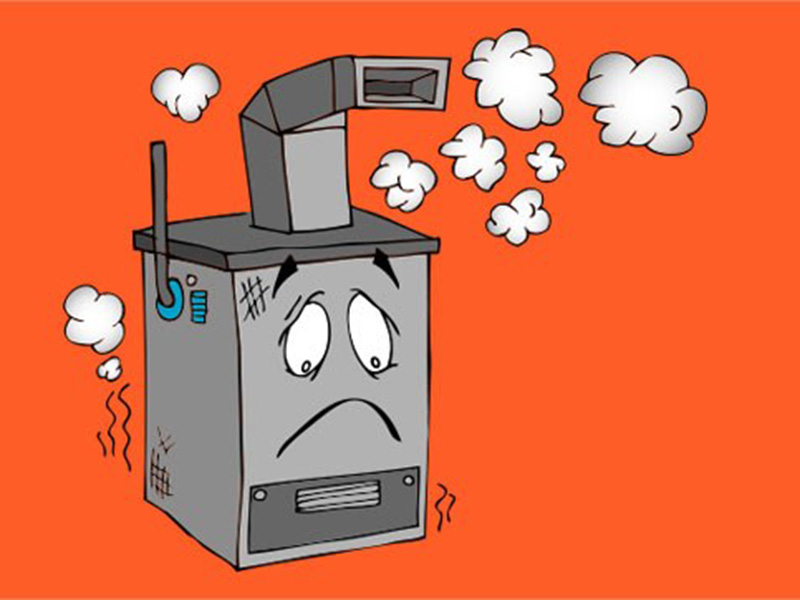
A heating system that repeatedly starts and stops after unusually short periods may be experiencing what's known as short cycling.
For furnaces, potential causes include restricted airflow, thermostat issues, overheating, or equipment sizing problems.
Boilers can also cycle excessively due to control settings, thermostat problems, or other mechanical issues.
Frequent cycling can increase wear on components and may reduce operating efficiency.
What to do: If you notice a change in your system's normal heating cycles, don't ignore it. A professional can identify the underlying cause before it leads to a more significant repair.
Your Pre-Winter Heating Maintenance Checklist

Even if your furnace or boiler seems to be running perfectly, fall is an ideal time to give it some attention.
Here are a few practical steps every Central New York homeowner should consider before winter arrives.
Schedule an annual professional inspection.
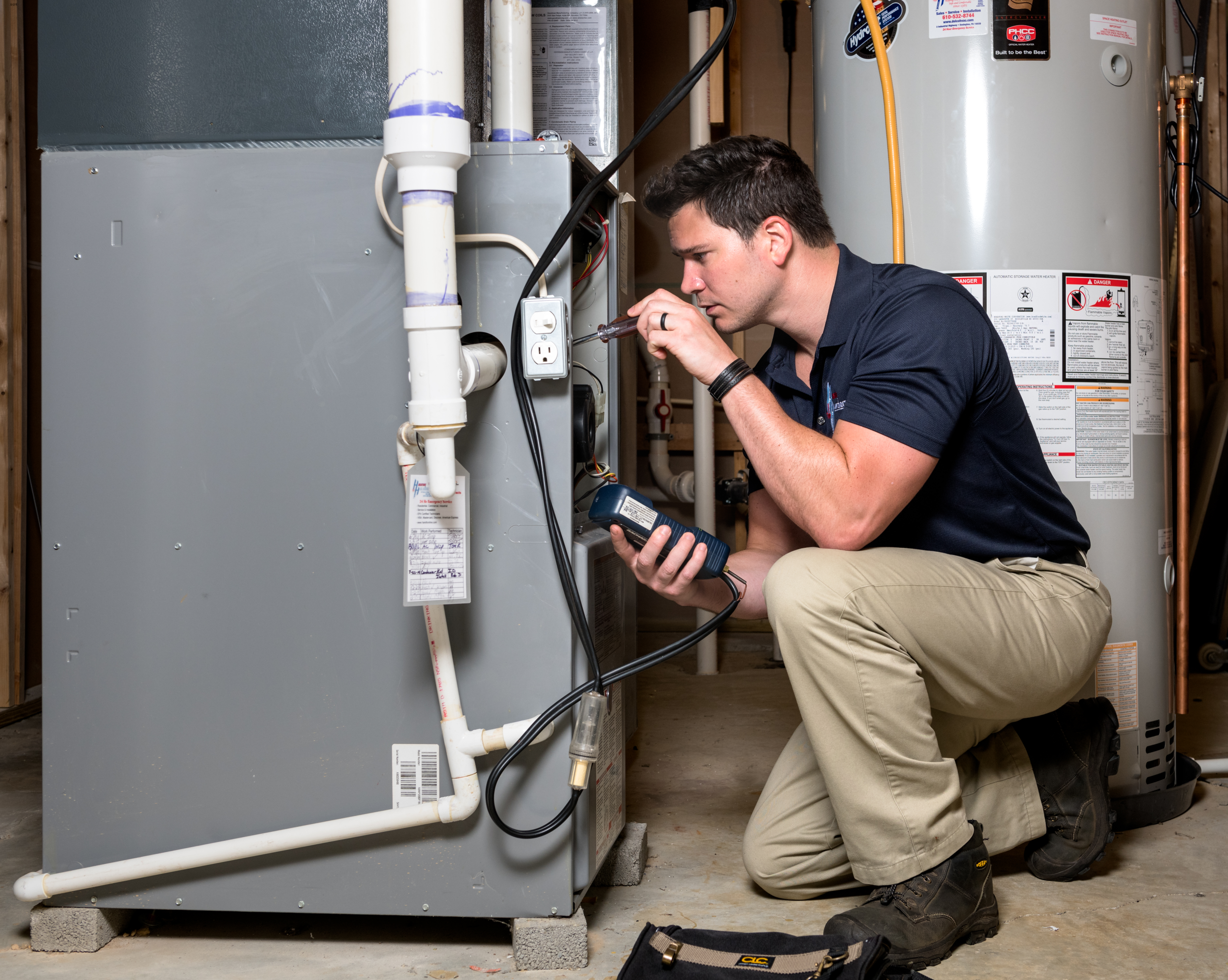
One of the most important things you can do is have your heating system serviced by a qualified HVAC technician.
For furnaces, a professional may inspect burners, ignition components, electrical connections, safety controls, venting, and the heat exchanger, as applicable to your equipment.
For boilers, service may include checking operating pressure, safety controls, pumps or other circulation components, leaks, venting, and combustion performance.
A professional can also identify developing problems before they turn into unexpected winter breakdowns.
Check and replace furnace air filters.
If your home uses a forced-air furnace, check the filter regularly during the heating season and replace it according to the manufacturer's recommendations.
A dirty filter can restrict airflow and reduce efficiency.
Keep in mind that most traditional hot-water and steam boiler systems don't have the same type of replaceable air filter found in forced-air furnaces.
Keep vents, radiators, and baseboards unobstructed.
Move furniture, rugs, and other belongings away from heating outlets.
Blocked vents can restrict airflow in furnace systems, while covered radiators or baseboards can prevent heat from circulating effectively throughout a room.
Test your thermostat.
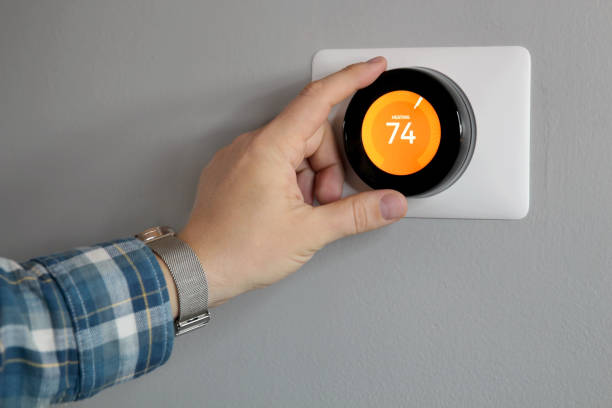
Before temperatures drop significantly, turn up your thermostat and make sure the heating system responds appropriately.
If you have a programmable or smart thermostat, review your heating schedule and adjust it for your household's winter routine.
Inspect accessible exterior exhaust and intake openings.
Some modern furnaces and boilers vent through pipes on the side of the home rather than a traditional chimney.
Make sure accessible openings are clear of leaves, debris, and, as winter progresses, accumulated snow or ice.
Never alter venting equipment yourself, and contact a professional if you notice damage or a blockage you cannot safely clear.
Check your carbon monoxide detectors.
This is especially important for homes with natural gas, propane, or oil-fired heating systems.
Carbon monoxide is an odorless, colorless gas that can be produced when fuel-burning equipment malfunctions or is improperly vented.
New York State requires carbon monoxide alarms in covered residential dwellings with fuel-burning equipment or attached garages.
Make sure your alarms are properly located, working, and within their recommended service life.
If a carbon monoxide alarm sounds, get everyone outside immediately and call 911 from a safe location.
Don't Forget About Your Boiler!
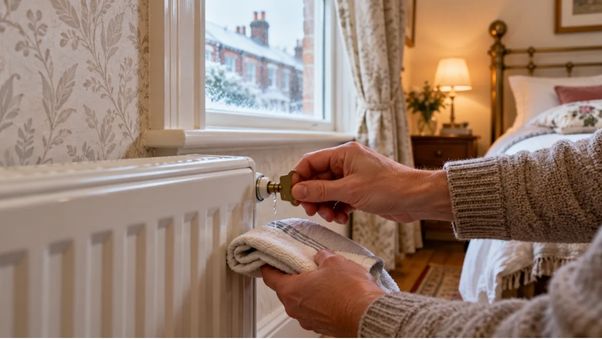
If your home is heated by a boiler, there are a few additional considerations worth keeping in mind.
Hot-water and steam heating systems have different operating requirements, so it's important to follow the maintenance recommendations for your particular equipment.
For example, trapped air can interfere with circulation in hot-water radiators or baseboards. Some systems may need air removed periodically, while others have automatic air-removal components.
Steam systems have their own maintenance needs, including appropriate water levels, controls, and radiator venting.
A qualified heating professional can determine whether your boiler needs adjustments, cleaning, or additional maintenance.
One important reminder: Don't assume that maintenance procedures for one boiler apply to another. Improperly adjusting pressure, adding water, or opening system components can create safety and equipment problems.
A Little Maintenance Could Help Prevent a Big Winter Headache
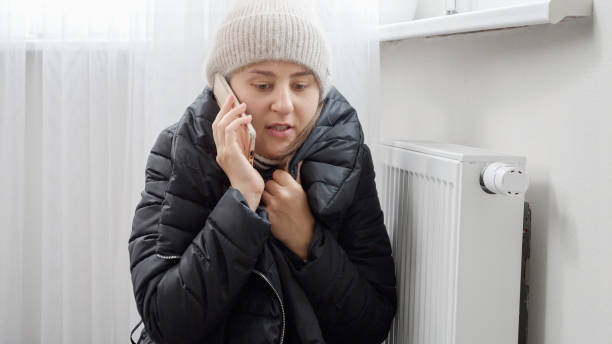
Anyone who has experienced a furnace or boiler breakdown during a Central New York cold snap knows how stressful it can be.
Unfortunately, heating problems don't always happen at convenient times.
Emergency service calls, unexpected repairs, and the possibility of being without heat during freezing temperatures can create significant headaches for homeowners.
That's why preventative maintenance is so worthwhile.
While no inspection can guarantee that a heating system won't break down, routine service can help identify potential issues, support efficient operation, and keep important safety components in working order.
It also gives homeowners time to budget and plan for future repairs or replacement rather than making rushed decisions during an emergency.
Keep Your Home Cozy All Winter Long!
As we prepare for another Central New York winter, now is the perfect time to make sure your home is ready for the colder months ahead.
Whether you have a traditional forced-air furnace, a modern high-efficiency boiler, or a radiator system that's been keeping your home warm for generations, a little attention today can make a big difference when temperatures start to fall.
Schedule your heating system's annual service, keep an eye out for warning signs, and take care of small maintenance tasks before the snow starts flying!
At BELL Home Team, we know that homeownership involves much more than buying or selling a property. It's about caring for the place you call home and protecting your investment for years to come.
Here's to a warm, comfortable, and worry-free winter in Central New York!


