Monday, October 26, 2026 / by Bell Home Team
Buying a Foreclosed Home in Central New York: What Buyers Need to Know
When searching for a home, you've probably come across properties advertised as foreclosures, bank-owned homes, or REO properties. These listings can catch a buyer's attention, especially when the asking price appears lower than comparable homes in the neighborhood.
But is buying a foreclosed home really a good deal?
Foreclosed properties can present opportunities for homebuyers and investors, but the purchasing process can look very different from a traditional home sale—especially here in New York State.
Before jumping into the foreclosure market, it's important to understand how these properties are sold, what risks may be involved, and what buyers should know before making an offer.
What Is a Foreclosed Home?
Foreclosure occurs when a homeowner defaults on their mortgage obligations and the lender takes legal action to recover the money owed.
In New York State, mortgage foreclosure is generally a judicial process, meaning the lender must go through the court system before the property can be sold through foreclosure.
Once the court authorizes the sale, the property is typically offered at a public auction. If the lender acquires the property, it may eventually be listed for sale as a bank-owned or real estate-owned (REO) property.
Understanding where a property is in this process is important because it determines how you can purchase it and what protections or limitations may apply.
Two Common Ways to Buy a Foreclosed Home
1. Purchasing at a Foreclosure Auction
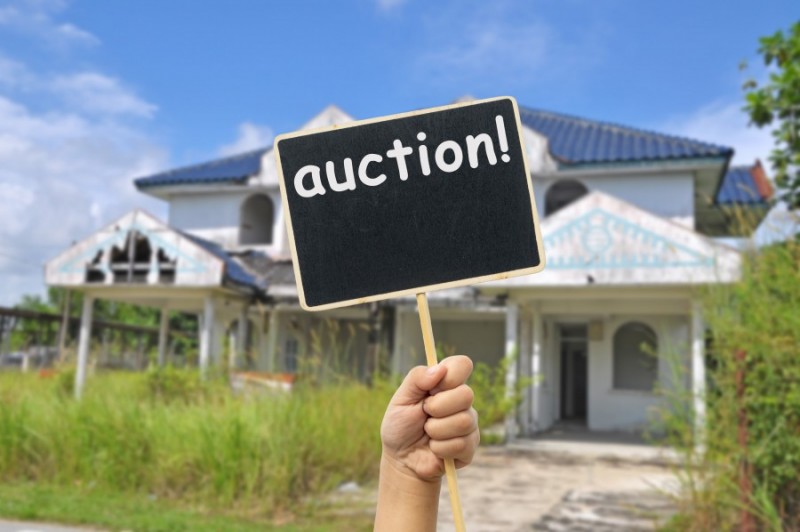
In New York, a foreclosure auction generally takes place after a court issues a judgment of foreclosure and sale. A court-appointed referee conducts the sale, and qualified bidders compete to purchase the property.
While auctions may offer opportunities, they also come with additional risks.
Buyers should be prepared for several important differences:
Limited access: You may not be able to inspect the interior of the property before bidding.
As-is condition: Properties are generally sold without guarantees regarding their physical condition.
Strict payment requirements: Auctions commonly require an immediate deposit and payment of the remaining balance within a specified period.
Potential title or lien issues: Certain mortgages, liens, taxes, or other obligations may survive the sale.
Occupancy concerns: The property may still be occupied, and obtaining possession could require additional legal steps.
Unlike a traditional real estate transaction, winning an auction doesn't necessarily mean you can simply schedule an inspection, apply for a mortgage, and negotiate repairs.
Important for New York buyers: Foreclosure auction rules are established by the court's judgment and the specific terms of sale. Deposit amounts, payment deadlines, and purchaser responsibilities can vary, so reviewing those documents with a New York real estate attorney before bidding is essential.
2. Purchasing a Bank-Owned (REO) Property
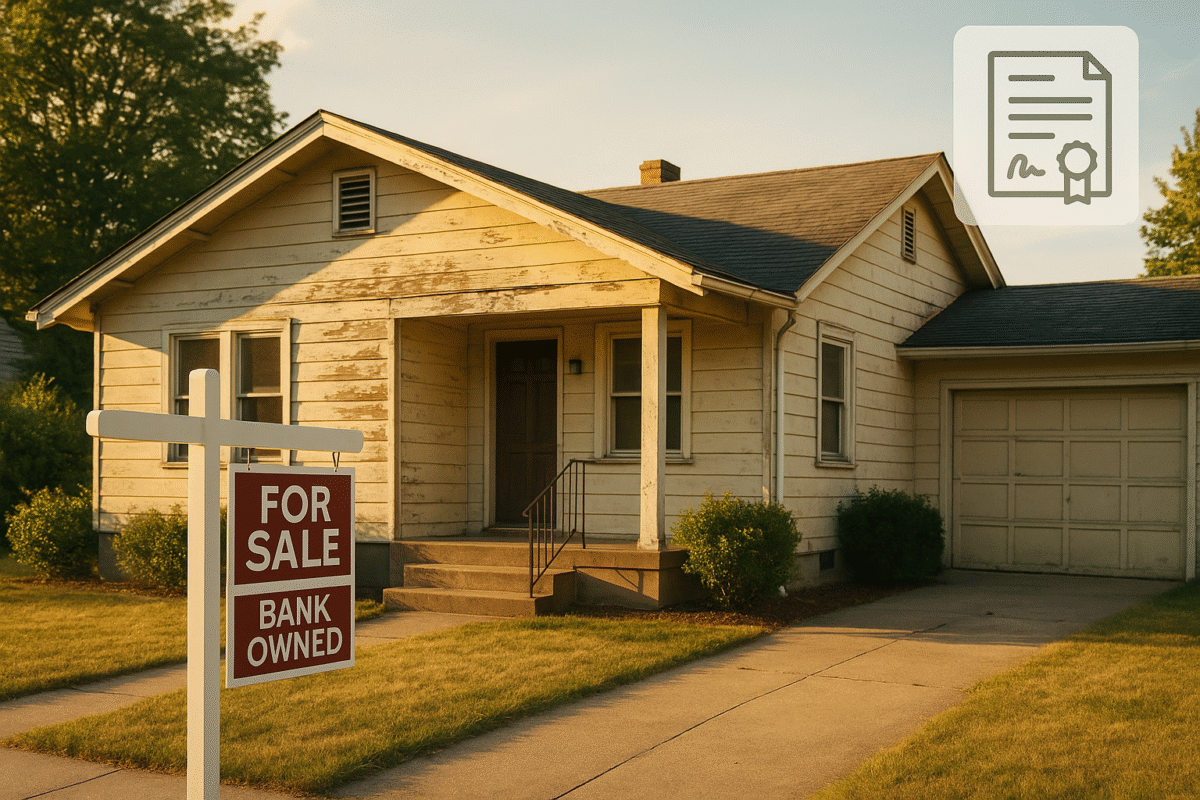
For buyers who aren't comfortable with the risks of a foreclosure auction, purchasing a bank-owned property may be a more familiar option.
An REO property is one that has already been acquired by the lender, often after an unsuccessful foreclosure auction.
Once the lender is ready to sell, the home may be listed through a real estate brokerage, much like any other property on the market.
Buyers can typically schedule showings, submit offers, arrange financing, and request inspections, subject to the seller's requirements.
However, there are still important differences.
Banks generally sell properties in their existing condition and may be unwilling to complete repairs. Buyers should also be prepared for additional paperwork, specific contract requirements, and potentially longer response times.
For many buyers, particularly those planning to finance their purchase, a listed REO property may offer a more manageable path than bidding at a foreclosure auction.
Are Foreclosed Homes Always Cheaper?
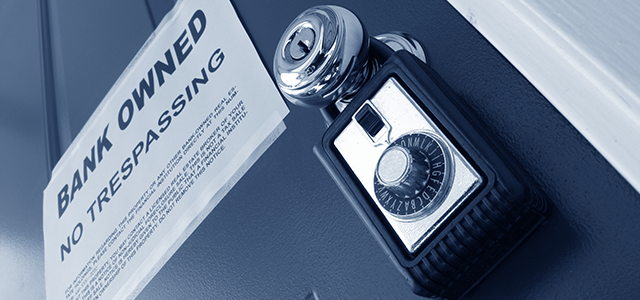
Not necessarily!
One of the biggest misconceptions about foreclosures is that every property represents a bargain.
While some distressed properties are priced below comparable homes, there are several factors to consider before determining whether you're actually getting a good deal.
A home with a lower purchase price may need substantial repairs, updates, or maintenance that the previous owner was unable to complete.
Potential expenses might include roofing, heating systems, plumbing, electrical work, foundation repairs, water damage, or other deferred maintenance.
And in a competitive market like Central New York, attractive foreclosure opportunities can still generate significant buyer interest.
The real question isn't simply whether the asking price is low. It's whether the total cost of purchasing and improving the property makes financial sense compared with other available homes.
Can You Get a Mortgage on a Foreclosed Home?
Yes! But the property's condition and the type of sale will play a major role.
For a bank-owned property listed on the open market, buyers may be able to use conventional financing or certain government-backed mortgage programs, provided the home meets the lender's requirements.
This is especially important for buyers considering FHA, VA, or USDA financing, as these programs have property condition and eligibility standards.
A home with significant safety hazards, missing utilities, serious structural concerns, or major deferred maintenance may not qualify for traditional financing without repairs.
Some buyers may also explore renovation loan programs that combine the purchase and qualifying improvements into one mortgage, depending on eligibility and lender requirements.
Foreclosure auctions are different. Their strict deposit and closing deadlines can make traditional mortgage financing difficult or impractical.
Before pursuing a foreclosure, speak with your lender about your financing options and whether the specific property and sale terms are compatible with your loan program.
Don't Overlook Inspections, Title Searches & Legal Guidance
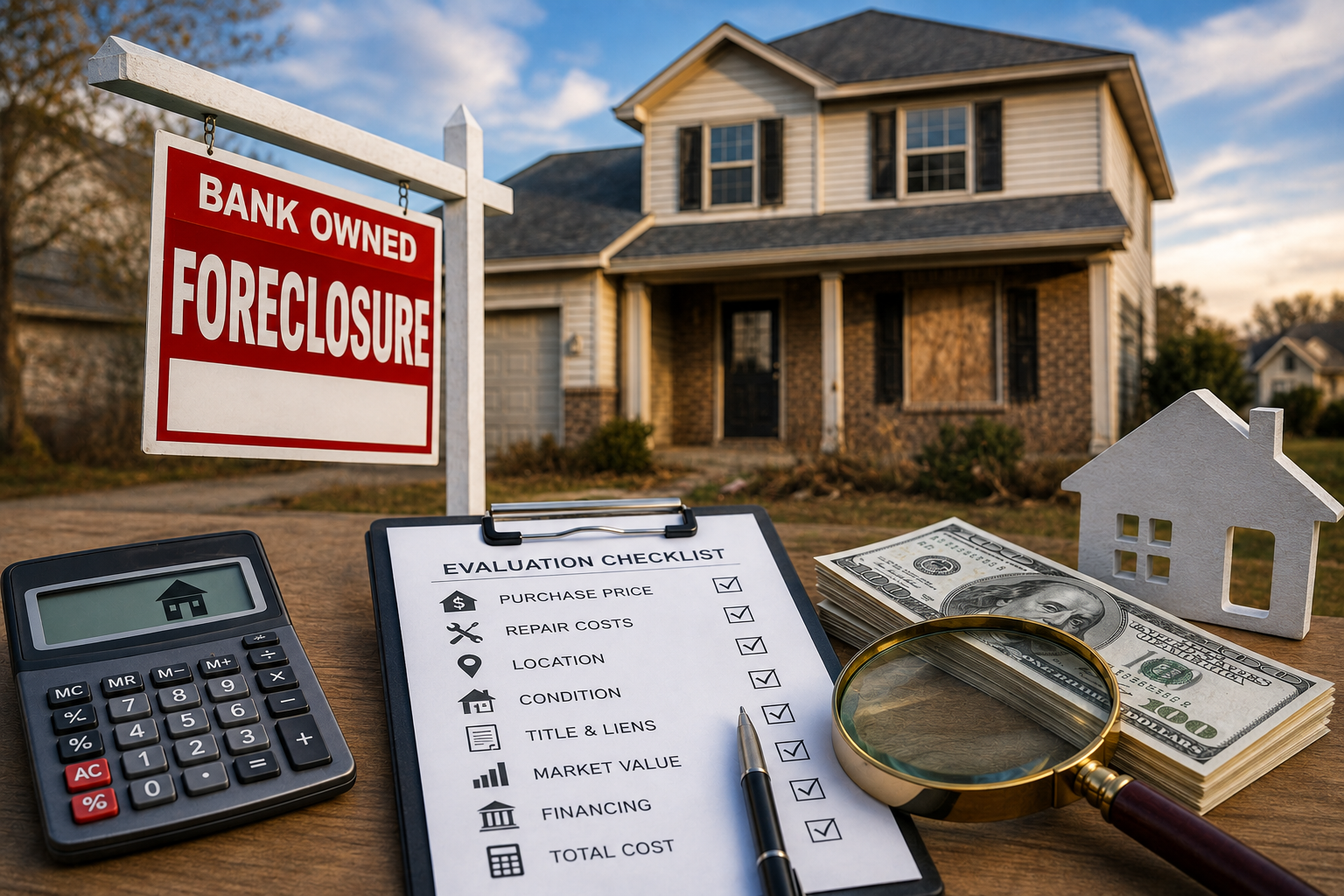
Buying a foreclosure requires more than simply finding an attractive price.
When an inspection is permitted, buyers should take advantage of the opportunity to evaluate the home's condition and identify potential repairs.
A thorough title search is equally important.
In New York, foreclosure sales can involve complicated title issues, and buyers should never assume that every existing lien or obligation automatically disappears when a property is sold at auction.
Some liens may be eliminated through the foreclosure process, while others may remain depending on their priority and the terms of the judgment.
An experienced New York real estate attorney can help review the property's title, the auction or purchase documents, and any potential legal concerns.
For properties being purchased through a traditional REO listing, a knowledgeable real estate agent can also help buyers evaluate comparable sales, property condition, and the overall value of the opportunity.
What About Buying a Home Before Foreclosure?
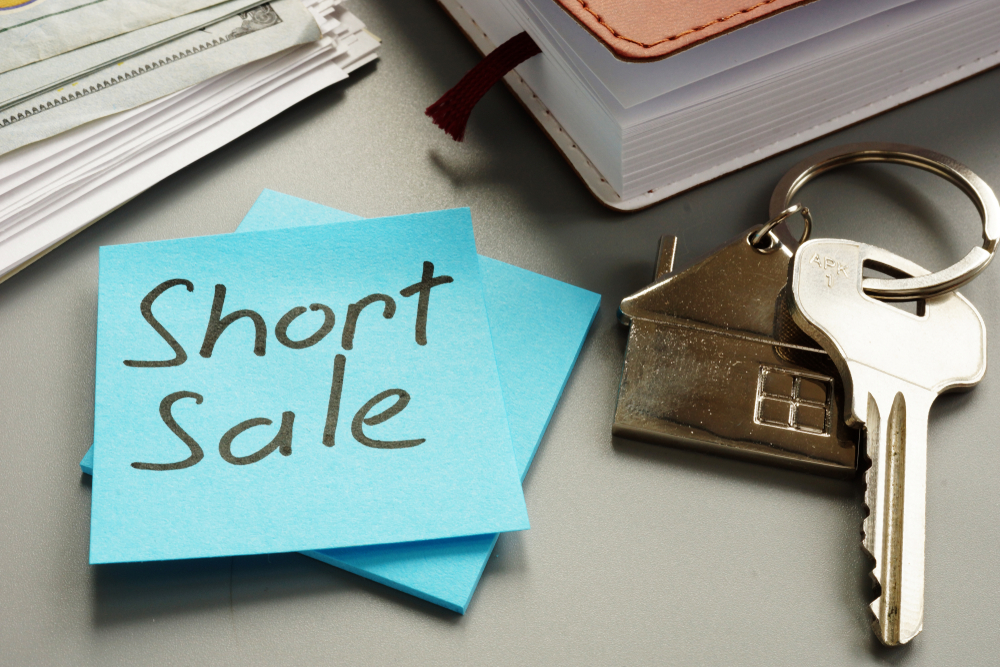
Not every financially distressed property has reached the foreclosure auction stage.
In some cases, a homeowner may choose to sell before the foreclosure is completed.
A short sale occurs when the lender agrees to accept less than the total amount owed on the mortgage, subject to the lender's approval and any other required approvals.
These transactions can sometimes create opportunities for buyers, but they may involve additional negotiations, documentation, and longer timelines.
It's also important to remember that a short sale is not the same as purchasing a bank-owned property or bidding at a foreclosure auction.
Each type of transaction has its own process and considerations.
Is Buying a Foreclosure Right for You?

Foreclosed homes can be appealing to buyers who are willing to take on renovations, have flexibility in their timeline, and understand the potential risks.
But they aren't necessarily the best fit for everyone.
For first-time homebuyers or those working with a limited renovation budget, a home that appears inexpensive upfront could become a costly undertaking if unexpected repairs arise.
On the other hand, a well-priced bank-owned property in reasonably good condition may offer a worthwhile opportunity for a buyer who has done their homework.
The key is approaching the process with realistic expectations, a clear budget, and experienced professionals who understand the New York real estate market.
The Bottom Line
Buying a foreclosed home in Central New York can be an opportunity to find a property that meets your needs and budget, but the lowest purchase price doesn't always mean the best value.
Understanding the difference between foreclosure auctions, bank-owned properties, and short sales is an important first step.
Before making an offer or placing a bid, consider the property's condition, financing requirements, potential repair expenses, and any legal or title concerns.
With the right preparation and professional guidance, buyers can make informed decisions and determine whether a foreclosure is the right opportunity for them.
Thinking about buying a home in Central New York? Whether you're interested in a traditional listing, a bank-owned property, or exploring your options as a first-time buyer, BELL Home Team is here to help you navigate the process with confidence.